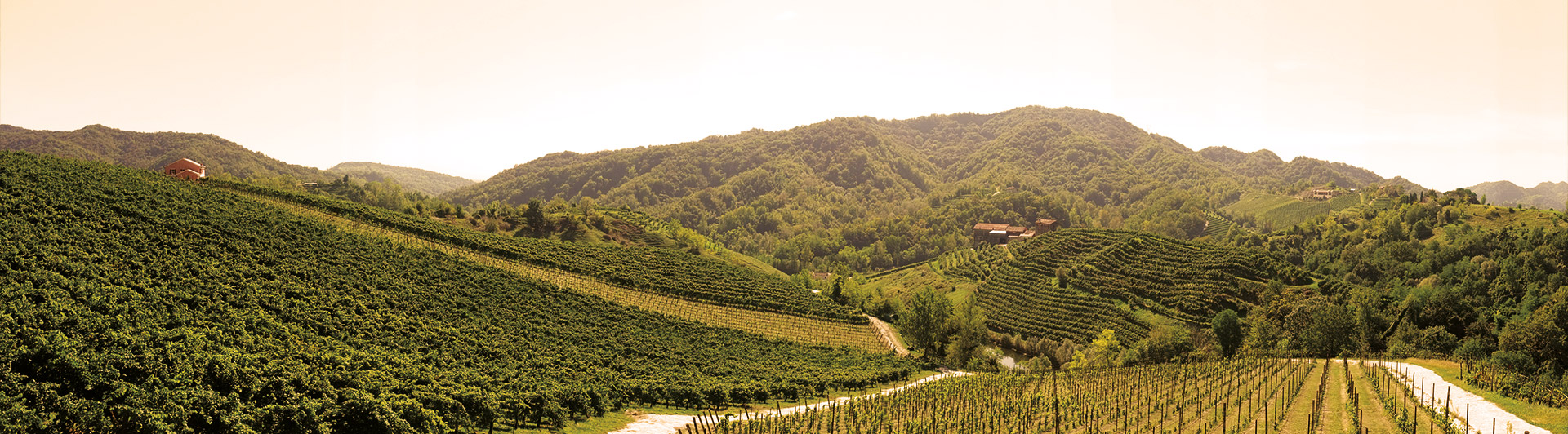
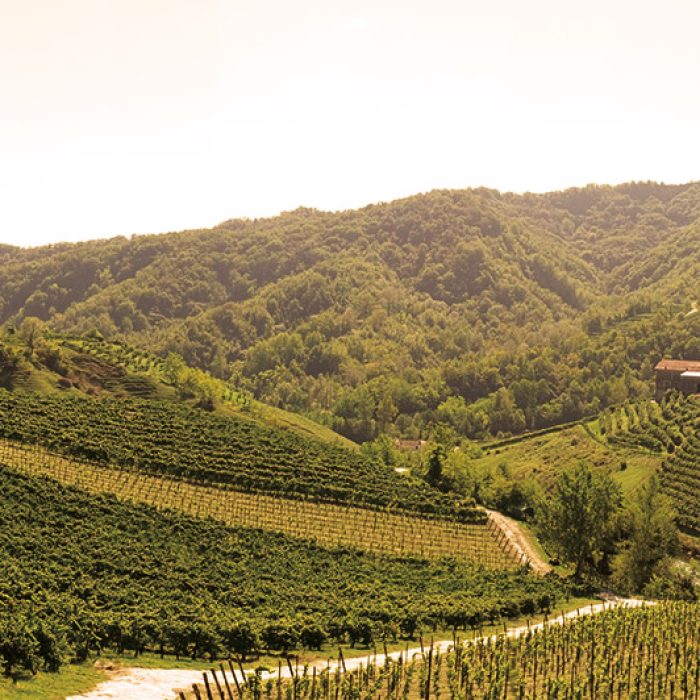
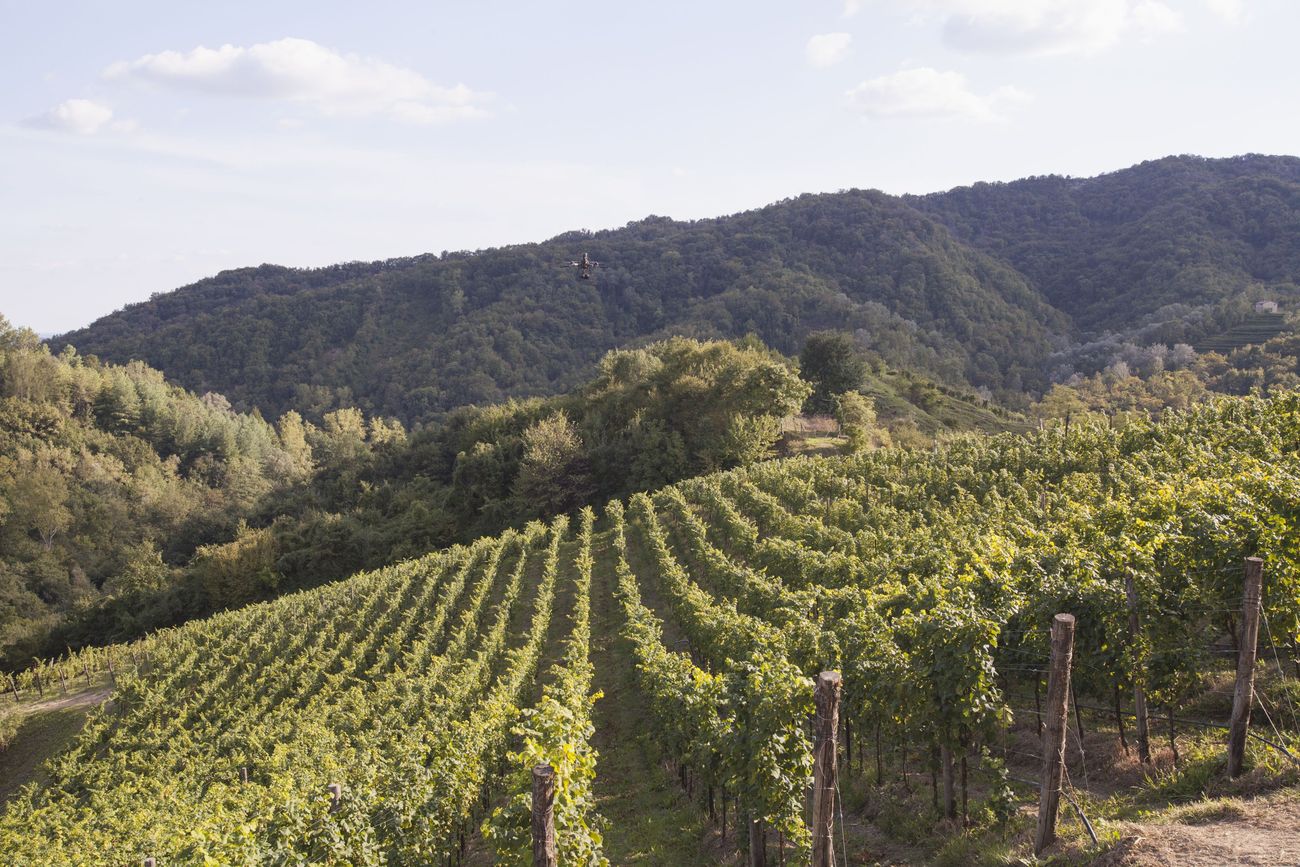
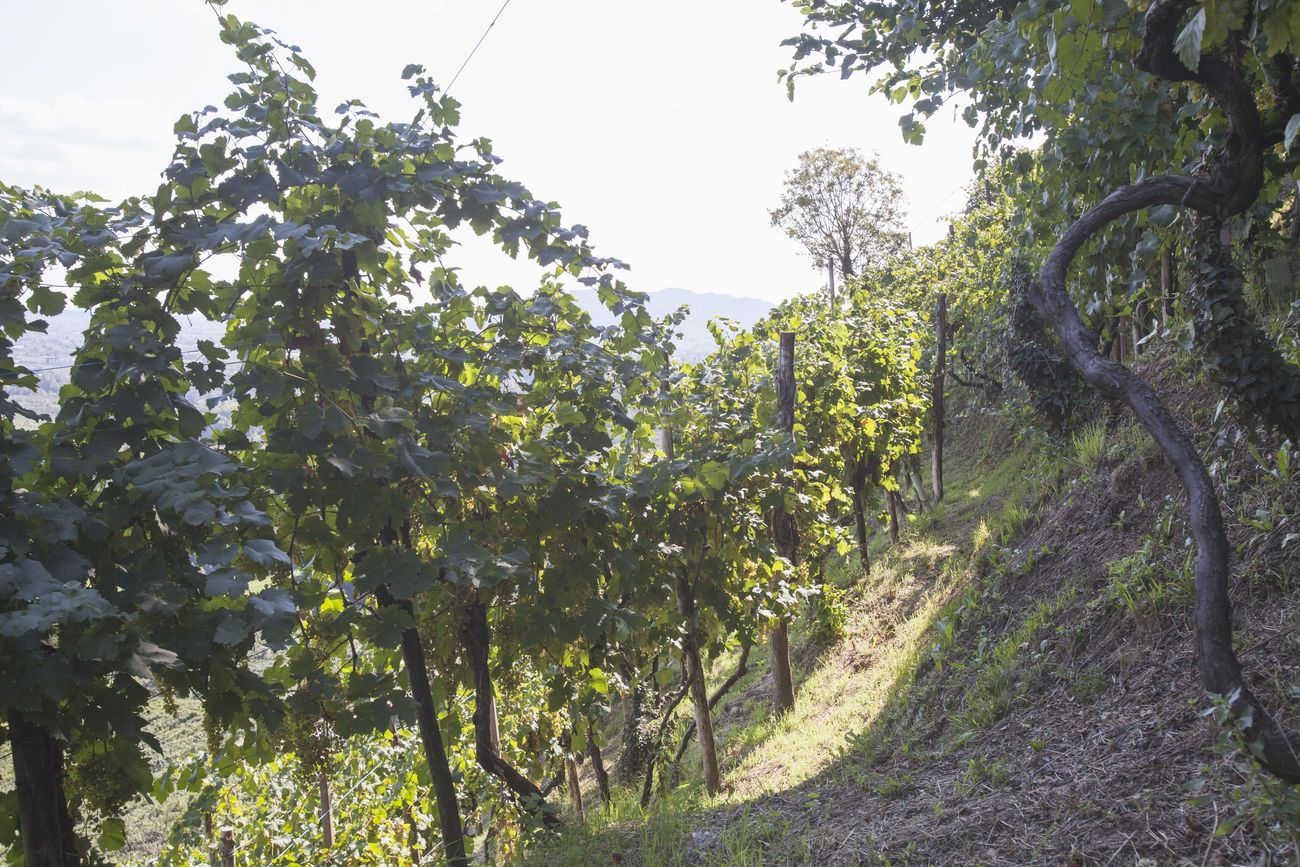
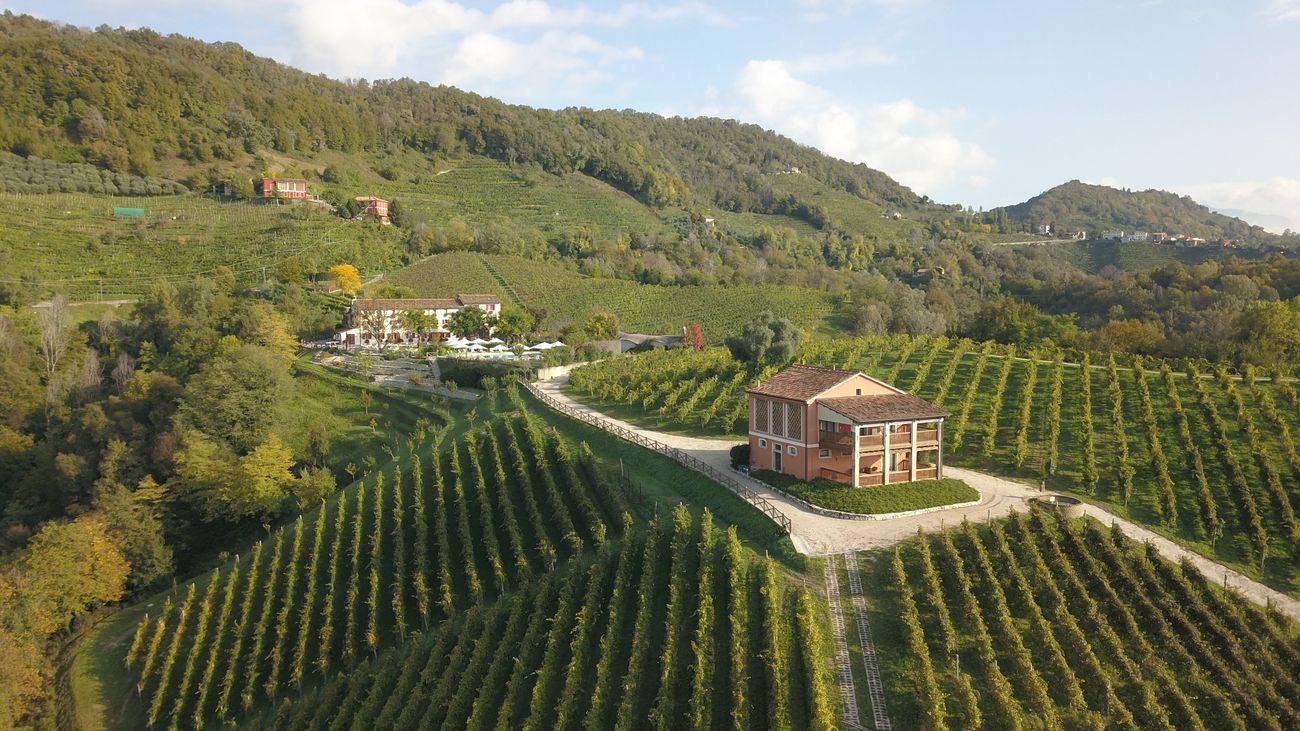
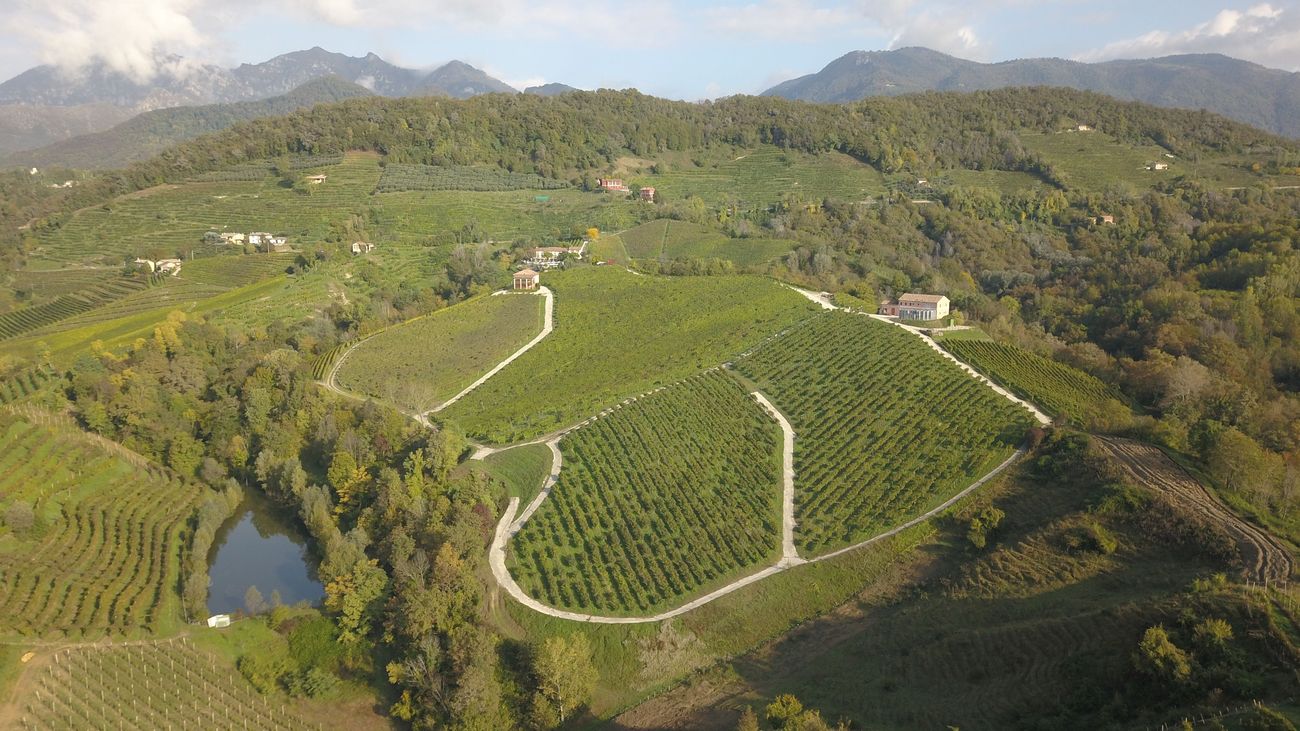
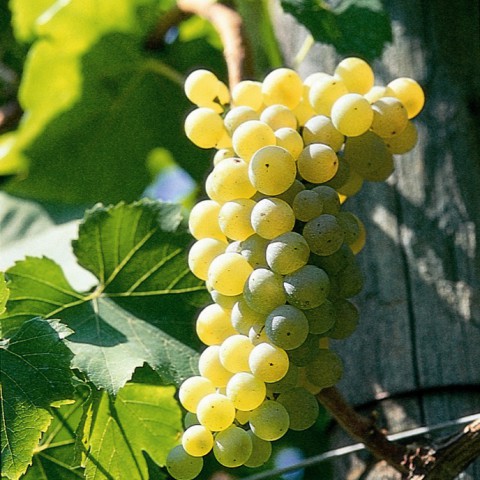
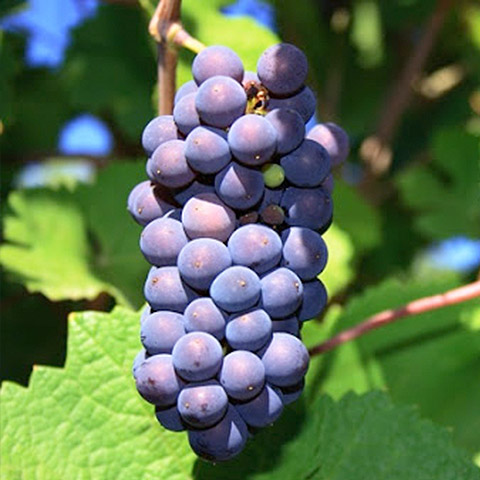
The entire hilly area of our DOCG is characterised by a climate that is generally mild and suitable for vines. The alternation of cold but not too harsh winters (sometimes with a few sprinkles of snow), rainy springs and autumns and hot but not too sultry summers ensures that nature grows luxuriantly in this corner of paradise.
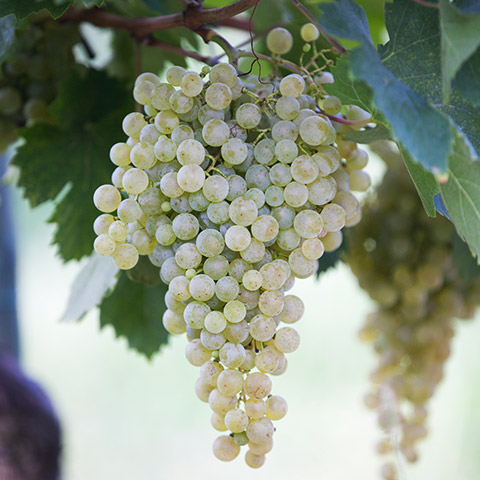
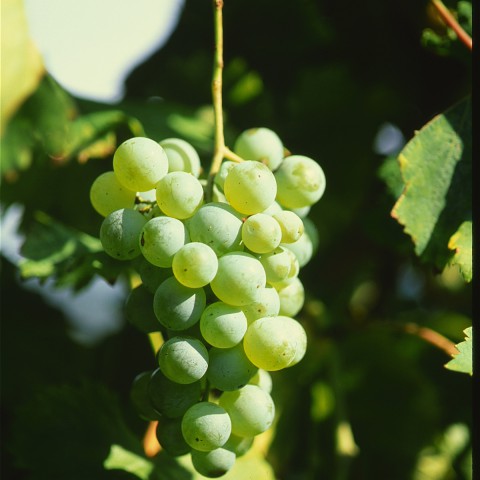
The main beneficiaries are our vines which, thanks to the marked temperature variations and the frequent presence of wind, are able to develop a greater complexity of aromas and refined organoleptic properties. The wind is also useful for drying the plants quickly after the rains, slowing down the proliferation of fungi and pathogens that are harmful to the vines.
The forest consists mainly of hornbeams, oaks, ash trees, alders and poplars in the cooler and more humid areas of the valley floor, which is crossed by a small stream. The undergrowth is very rich and displays a variety of flowers, small and large wonders, especially in early spring, when nature awakens and the air is filled with colours and scents. Among the most easily encountered species are certainly the bear garlic, the lungwort, anemones in different varieties, but also the butcher’s broom and Solomon’s seal.
It is not uncommon to come across wildlife typical of this area, especially foxes and wild boar. In the undergrowth you will also come across small snakes as well as a wide variety of birds that, in the early morning and immediately after sunset, offer memorable acoustic spectacles for the ears of those who know how to listen!
In the evening, if you pay attention, you may also come across roe deer and red deer from nearby mountain areas.